On December 19, 2025, ADRI invited Professor Yuan Ren from Fudan University to deliver a special lecture titled "Migration and Consumption: How Do Family Arrangements of Migrants and Immigrants Influence Their Household Consumption?"
Keynote speaker Yuan Ren is a professor at the School of Social Development and Public Policy at Fudan University, formerly served as Deputy Director of the Fudan University Institute of Population Research. His recent publications include Population Development and Strategic Decision-Making (forthcoming), Fertility Policy Transition in China: From Fertility Reduction to the Provision of Childbearing and Childrearing Services(2024), Historical Lessons: China Population Development Report 1949-2018 (2019), and China's Next Urbanization (2018).
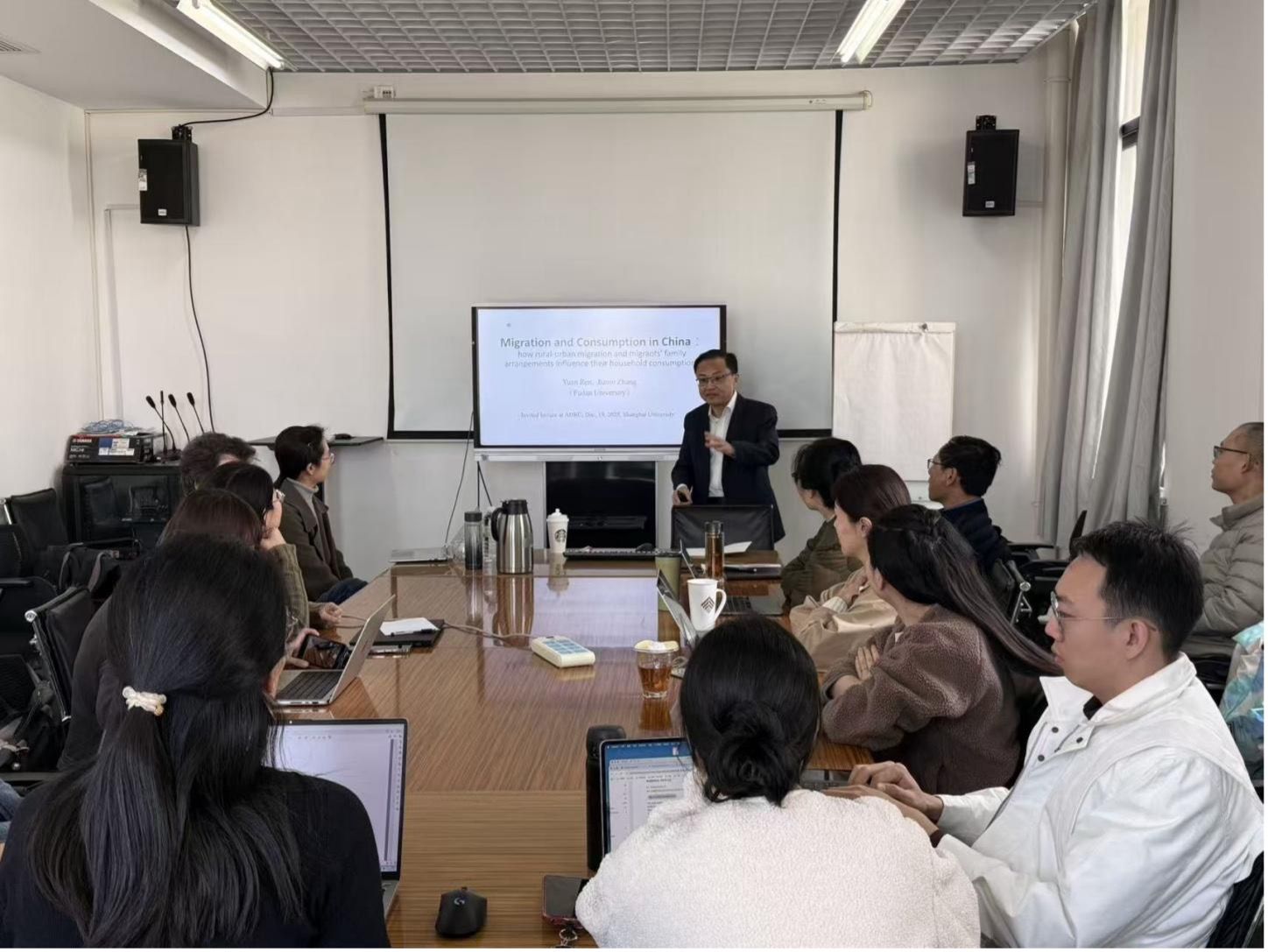
This lecture was moderated by Professor Yu Zhu. He began by introducing the keynote speaker, Professor Yuan Ren, highlighting his profound academic achievements in the fields of population development and urbanization strategy. Professor Zhu expressed his sincere welcome and gratitude to Professor Ren for visiting to share his latest research findings.
At the beginning of the lecture, Professor Yuan Ren utilized data from the 2018 China Labor-force Dynamics Survey (CLDS) to focus on a core link in China's urbanization process—population migration. He explored in depth how different family migration patterns affect household consumption levels and structures. He pointed out that understanding the relationship between migration and consumption is of critical significance for stimulating domestic demand potential and driving economic growth within the context of population mobility.
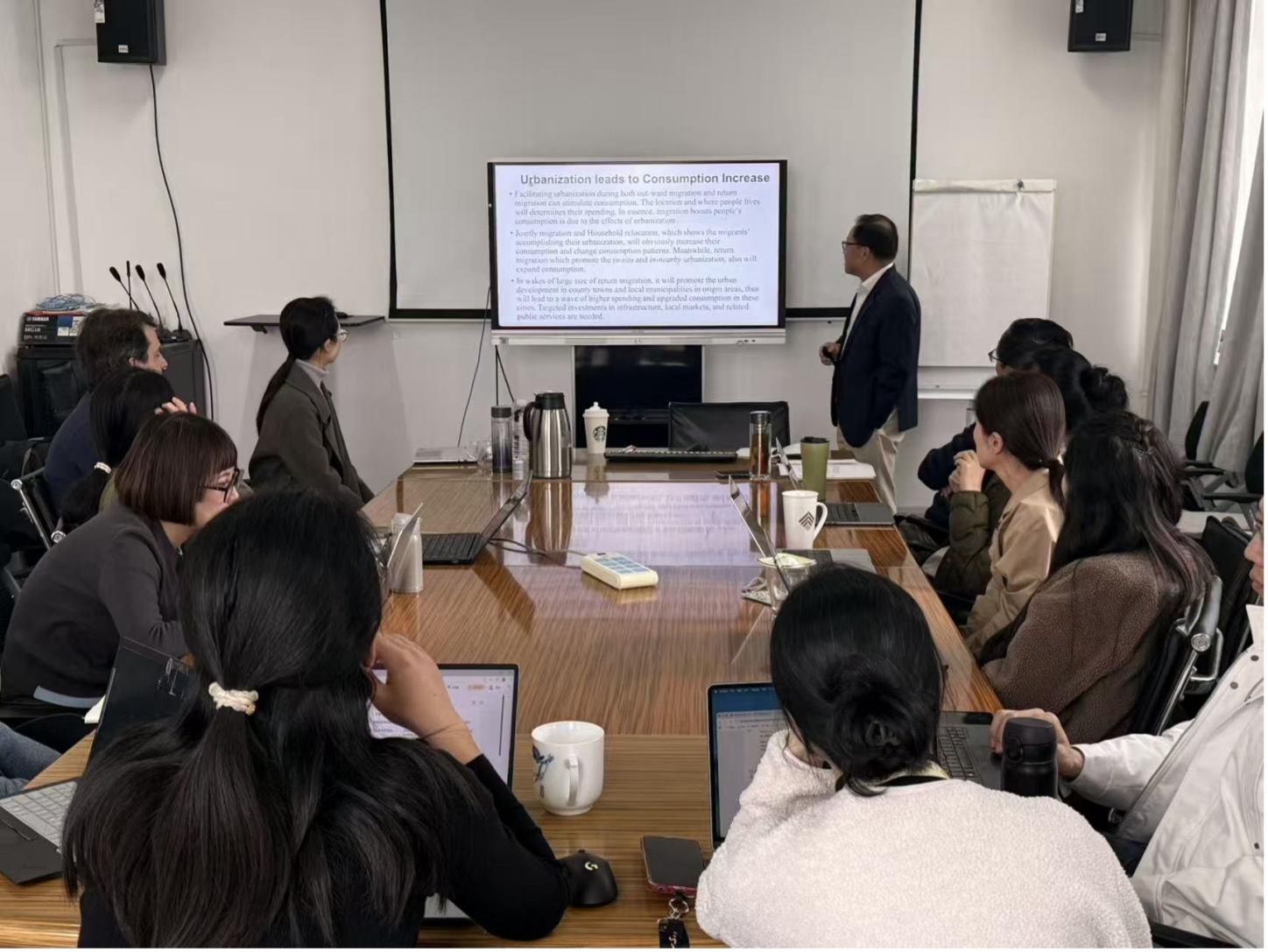
In the main report, Professor Ren Yuan systematically presented empirical analysis results based on micro-data. The study found:
1. Migration patterns significantly impact total consumption: Whole-family migration from rural to urban areas has the strongest boosting effect on household consumption. In contrast, patterns involving separated family migration or return migration show relatively weaker consumption stimulation effects. Notably, households returning to county seats or cities have significantly higher consumption levels than those returning to rural areas.
2. Different consumption categories respond diversely: Basic living expenses increase significantly in whole-family migration households, while they are somewhat compressed in separated migration households. Social interaction expenditures increase significantly with urban migration, and this effect persists after returning. Development-oriented expenditures (education, health, etc.) show an upward trend after returning—especially when returning to urban areas—and whole-family migration households invest more in this type of consumption.
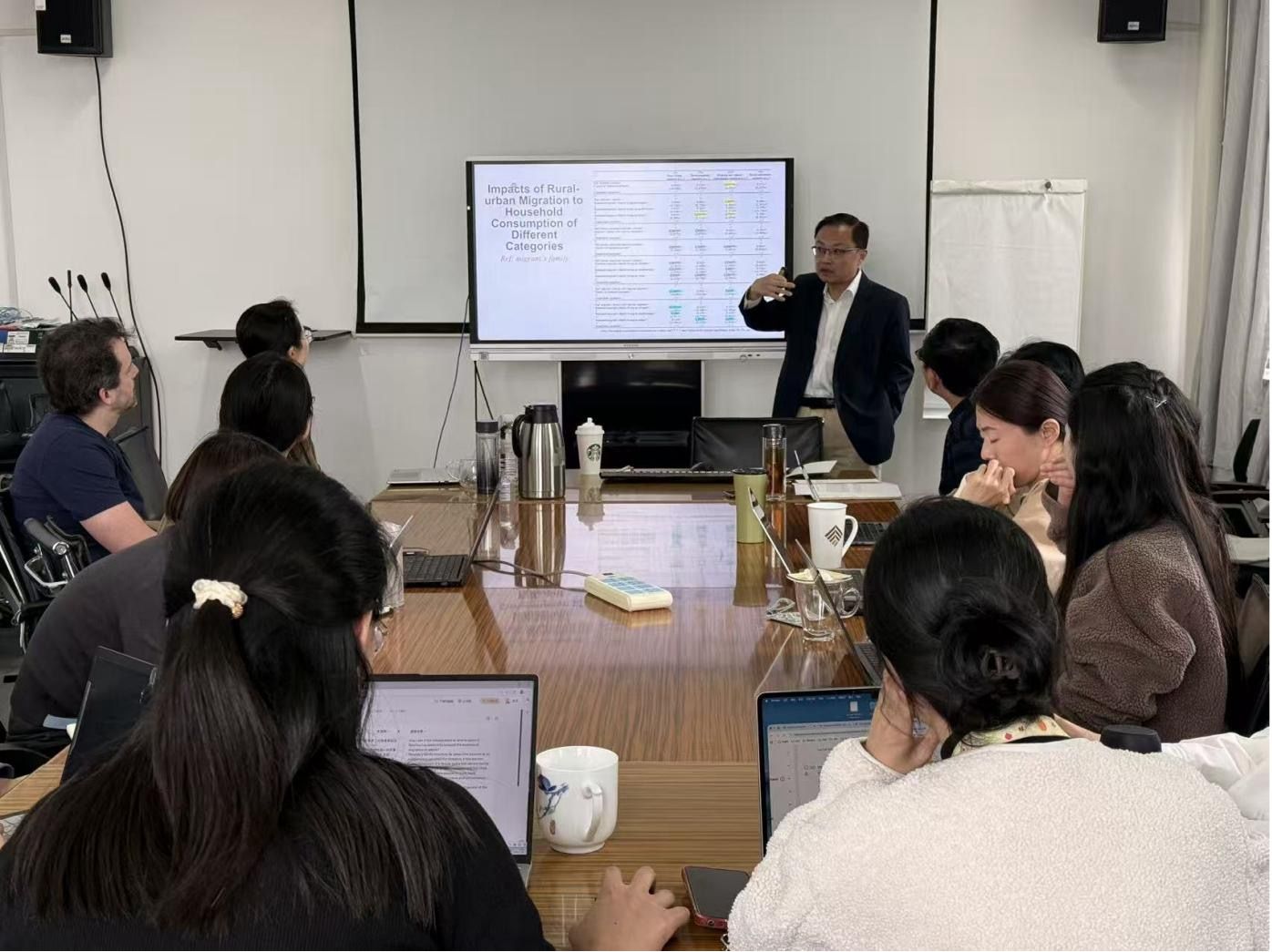
Based on the research conclusions, the speaker suggested that relevant policies should be optimized in two aspects:
1. Actively support family-style migration by lowering the threshold for public services to stabilize and enhance the overall consumption capacity of migrating families.
2. Effectively promote urbanization with the county seat as an important carrier. This not only helps promote a rational population distribution but also effectively releases consumption demand in development-oriented fields by guiding the return population to gather in county seats, thereby providing continuous momentum for expanding domestic demand.
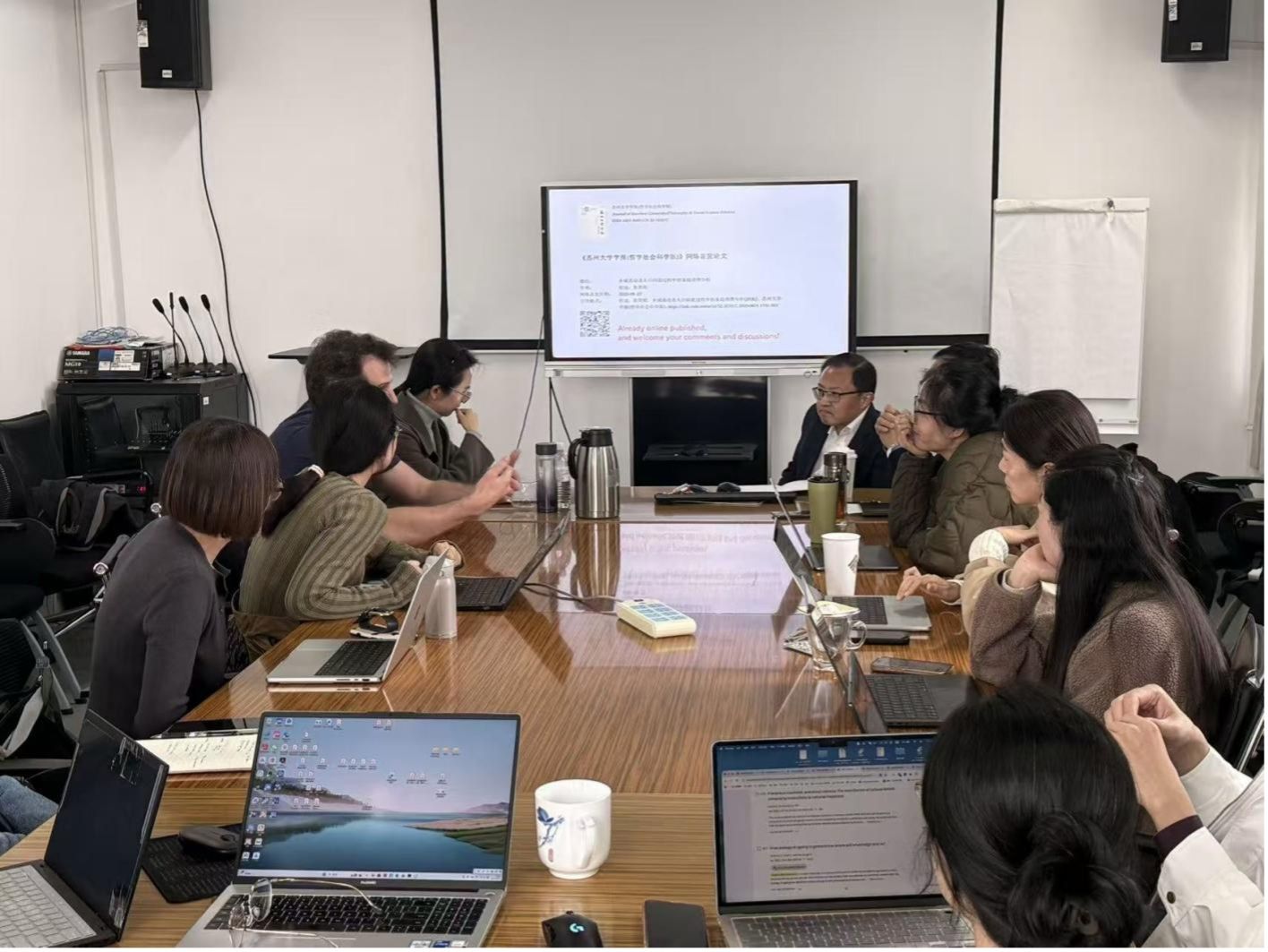
In the interactive session, faculty and students engaged in a lively and in-depth discussion with Professor Yuan Ren on issues such as the selection of data cases and the differences in consumption promotion policies for cities of different sizes. Professor Ren answered each question in detail and expressed his expectations for future collaborative research with the colleagues present on topics such as population migration, consumption upgrading, and integrated urban-rural development.