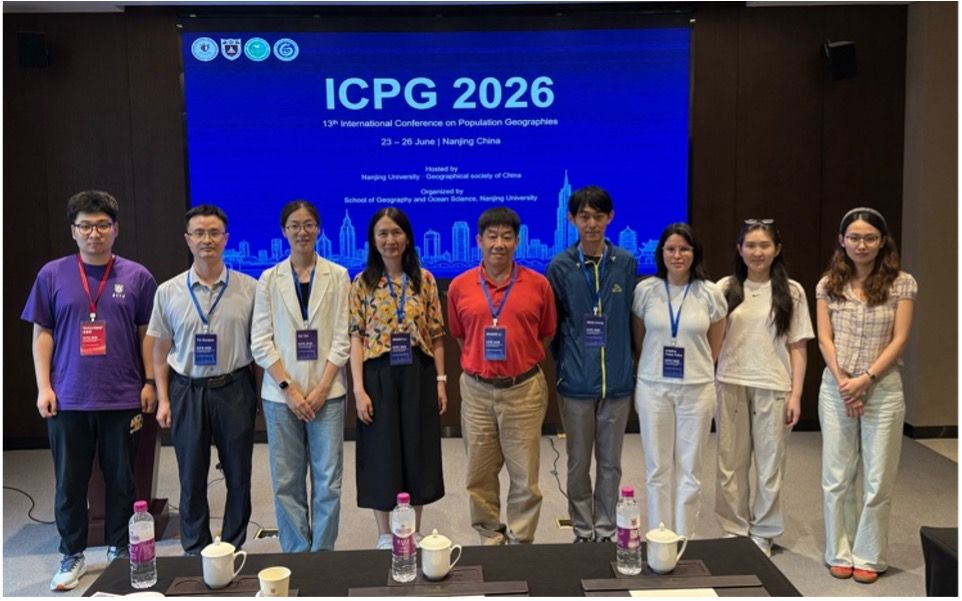
From June 23 to 26, 2026, Professor Zhu Yu, Associate Professor Chen Chen, Dr. Li Yuanfei, and two master’s students, Cheng Dong and Karina Fallas, from the Institute of Demography and the Asian Demographic Research Institute (ADRI) at the School of Sociology, Shanghai University, were invited to attend the 13th International Conference on Population Geographies (ICPG) held in Nanjing, Jiangsu Province.
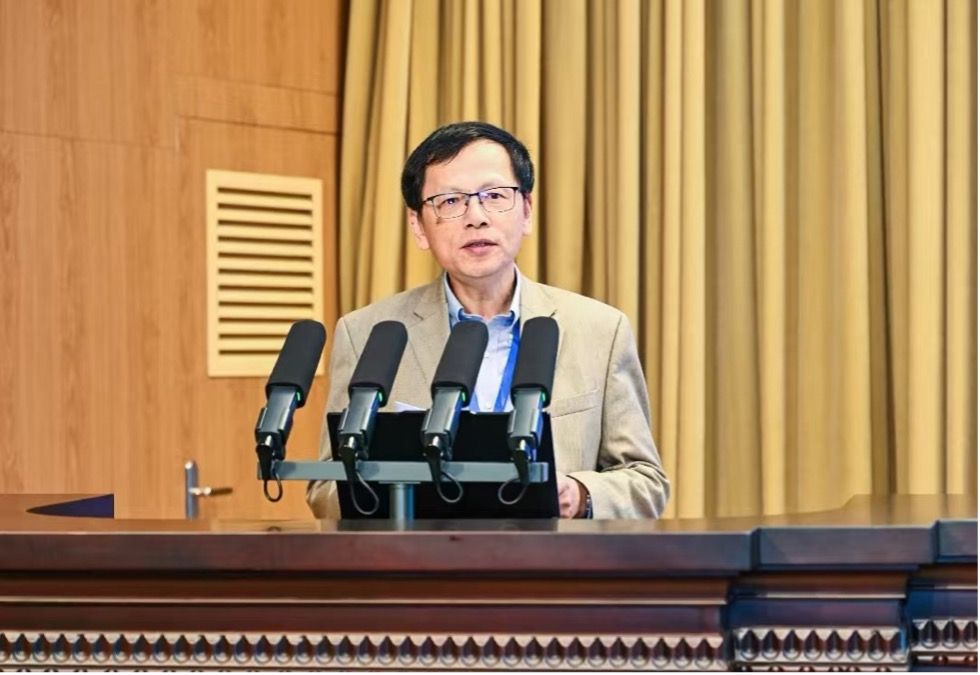
Professor Zhu Yu served as a member of the Academic Steering Committee for this year’s ICPG. He chaired the second half of the conference’s keynote session, participated in plenary sessions and multiple parallel sessions, and engaged in extensive academic exchanges with scholars from China and abroad.
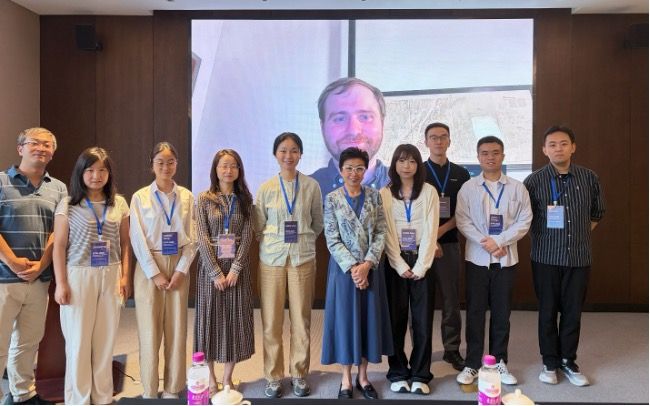
Associate Professor Chen Chen co-organized and co-chaired the session “New Destinations: Migration to Non-Traditional Receiving Societies” with Professor Cindy Fan from the University of California, Los Angeles (UCLA). The session featured in-depth discussions on topics such as migration mechanisms, social integration, transnational ties, and identity in non-traditional receiving societies. Centered on the theme of international migration flows to non-traditional receiving societies, the session featured oral presentations by several scholars. During this session, Cheng Dong, a master’s student at ADRI, delivered a presentation titled “How Do Foreign Influencers Shape Chinese People’s Attitudes Toward Foreign Residents in China?”, analyzing how short videos by foreign bloggers influence the Chinese public’s attitudes toward foreign residents in China.
Dr. Li Yuanfei delivered an oral presentation titled “Parental Migration, Friendship Networks, and Adolescents’ Activity Space in Rural China.” The presentation focused on the daily activity spaces of children and adolescents in rural China, concluding that there is a hidden correlation between these spaces and the distinct patterns of their parents’ migration for work, as well as the spatial characteristics of their peer networks. The research topic and related findings sparked in-depth discussions among attendees regarding social relationship networks and spatial activity patterns in children’s development.
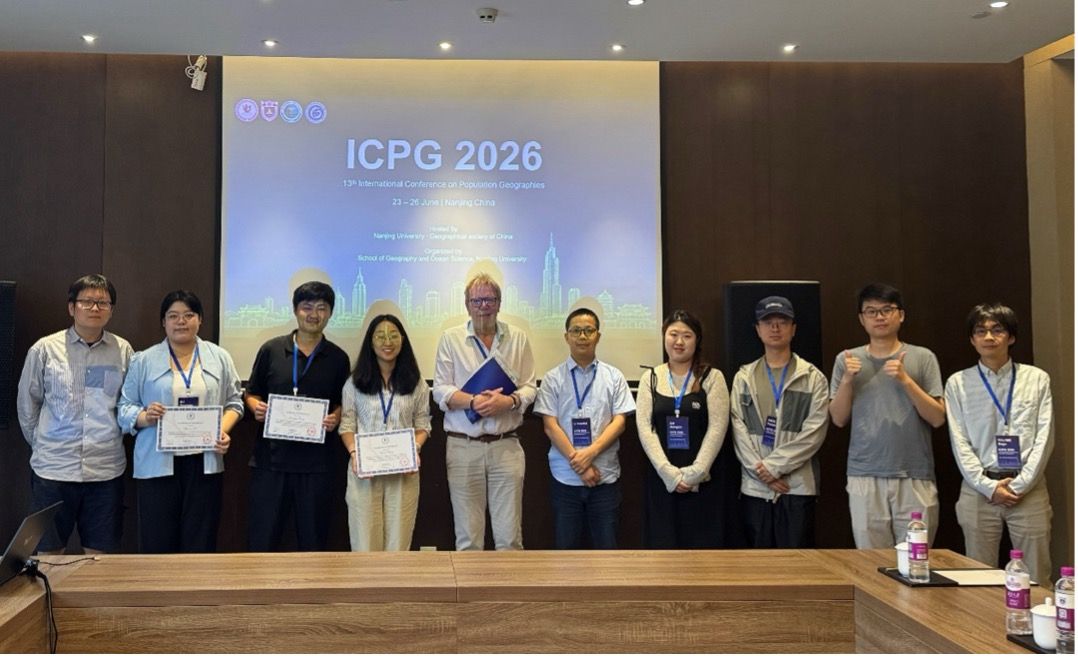
Master’s student Karina Fallas delivered an oral presentation titled “The Role of Socioeconomic Variables in the Gender Gap in Diabetes in the Elderly Population of Costa Rica.” In her presentation, she argued that education plays a stronger role than income in narrowing the gender gap in diabetes, while the impact of income is relatively limited. Furthermore, she discussed differences in diabetes prevalence among older adults from the perspectives of social determinants of health and gender inequality, providing new empirical evidence for understanding health inequalities.